Parshas Chukas
Hashem Wants To Have A Relationship With Us!
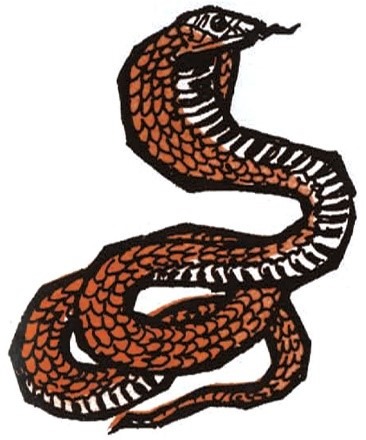
“Hashem sent the fiery snakes against the people, and they bit the people, and many people of Yisroel died.” (Bamidbar 21:5)
The Jewish People were traveling through the desert with the ultimate goal of entering Eretz Yisroel. They had to spend 40 years in the desert as a result of the sin of the spies. At one point in their travels, they traveled in the direction away from Eretz Yisroel. Rashi (21:4) says that the people were afraid that they would die in the desert as their ancestors had, without being privileged to enter the Land. This fear and their arduous journey led them to complain against Hashem and Moshe. They complained that there was no food or water and that they were disgusted with the miraculous food of the mann. Their complaints were baseless as they still had water from the well of Miriam besides food from the mann. Hashem punished the Jewish People for their complaints by sending fiery serpents who bit the people. Many died.
Why did Hashem specifically choose to punish the Jewish People with snakes? Targum Yonoson ben Uziel answers that after the sin of Adam and Chava, the snake was punished and would no longer eat food. Instead of food, it would only eat dust. The snakes that ate dust without complaining, came to punish the Jewish People who complained about their mann, even though it could taste like almost any food that they desired.
Rabbi Yissocher Frand shares another explanation from the Alshich. The Alshich says that the complaint had nothing to do with the mann. Rather, the Jewish People complained that the mann only provided them with a one-day supply of food. Every day they had to gather the mann, anew. That was stressful. Every day they might worry about what they would eat if the mann would not fall the following day. They would have felt much calmer had they been able to store a week’s worth or a month’s worth of the mann.
Hashem, however, purposely did it this way. The Midrash explains this by means of an analogy. A king gave his son a year’s worth of allowance. Throughout the entire year, his son never bothered to have any contact with his father. After all, he had all his needs cared for. The Midrash says that Hashem did not want such a relationship with us. Since we would have to ask Hashem for food each day, we would constantly be in touch with Hashem. Hashem wanted a close relationship with us. This daily need for food would foster a close relationship with Hashem. That is why Hashem arranged that the the mann would only last for one day.
After the first sin, Adam was cursed, “By the sweat of your brow you will eat bread” (Bereishis 3:19). That was a curse with a hidden blessing. Adam, and mankind, must work for a living in order to have an ongoing relationship with Hashem. Every day one would have to go out and work for a living and daven to Hashem that he be successful. Chava was punished, “In pain you shall bear children” (Bereishis 3:16). That was also a curse with a hidden blessing. Women have to endure the difficulties and pain of pregnancy and childbirth. The blessing in that is that she must pray to Hashem for an easy pregnancy and delivery, as well as that her child be healthy. Through that, women will also have this constant relationship with Hashem. The snake was cursed, “You shall eat dust all the days of your life.” From that point on, snakes had their needs met because Hashem did not want to have a relationship with them.
This was why it was specifically snakes that Hashem sent to attack Klal Yisrael after they complained about the mann. The snakes have their needs met and do not need to beseech Hashem for their food. The Jews should not have complained that they had to constantly beseech Hashem. Their need gave them the opportunity to beseech Hashem and develop a close relationship with Hashem.
(Based on Rabbi Yissocher Frand on Torah.org)
Hashem loves us so much and wants a relationship with us. Our needs are blessings in disguise. They provide us with the impetus to daven to Hashem for help.
Having needs fosters a close relationship with our Creator.


